ROOTED HERE
The history of Stamford
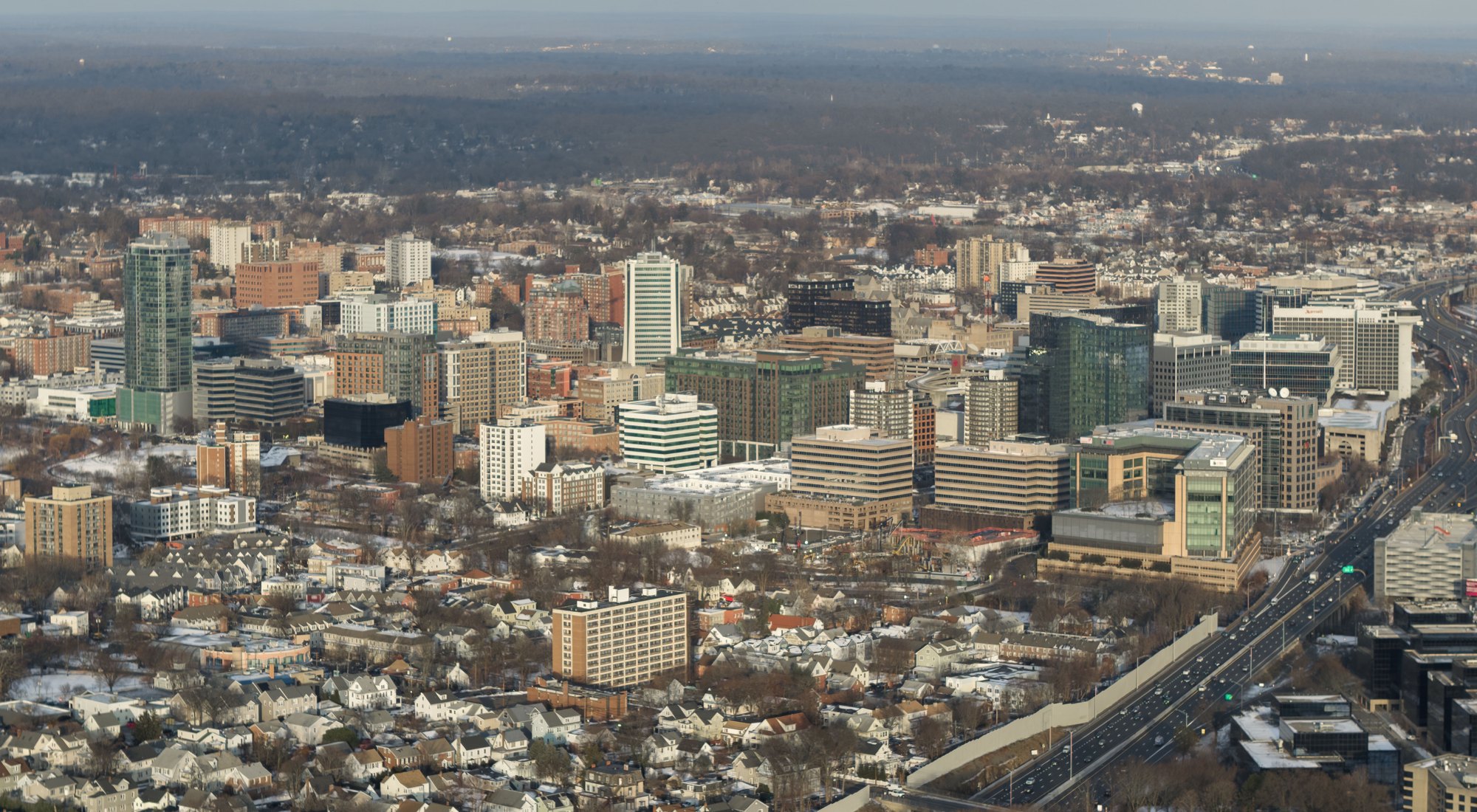
Stamford connects its downtown and Harbor Point with parks and cultural stops such as Cove Island and the Stamford Museum & Nature Center.
People who shaped Stamford
These milestones are an introduction, not a complete local history. Follow the linked city and museum sources to explore the people and places behind them.Read the Stamford historical account.
Watch the city’s history

FROM THE ARCHIVES
Take A Tour Of Stamford's History Downtown
A recorded report on historic buildings and places in downtown Stamford, shared by It’s Relevant TV. Archival filming does not establish current visiting details.
Watch on YouTube ↗- 1641
A settlement at the Rippowam
Families from Wethersfield established a Puritan settlement above the harbor on land occupied by Indigenous communities. Their arrival began the colonial town that became Stamford, not the beginning of the area's human history.
Stamford Historical Society ↗ - 1801–1820
The town's boundaries change
The creation of New Canaan in 1801 and Darien in 1820 reduced Stamford's territory. The remaining municipality covered roughly forty square miles, linking a harbor center with a rural hinterland.
Stamford Historical Society ↗ - 1848
Railroad and migration
Regular railroad service made Stamford more closely connected to New York. Irish refugees arriving during the famine years expanded its population and workforce, while facing housing shortages and anti-Catholic discrimination.
Stamford Historical Society ↗ - 1893
A city within the town
The central community became the City of Stamford. City and town governments operated separately, maintaining overlapping municipal arrangements rather than immediately becoming one jurisdiction.
Stamford Historical Society ↗ - 1949
City and town unite
Stamford consolidated its city and town governments in 1949. The merger ended more than half a century of separate administrative systems within the same community.
Stamford Historical Society ↗
See the history for yourself.
Check current opening hours and visitor information before you go: local cultural and visitor information.
For local services and public information, the local government website is a starting point. For historical research, consult local libraries, archives and museums and check collection-specific image permissions.
Selected milestones from the linked historical sources. This is an introduction, not a complete account of the city’s history.